CASE STUDY: “The Sight of Hope”
Engineering a $170k+ Fundraising Milestone for Lighthouse Central Florida
A high-impact gala centerpiece film for Lighthouse Central Florida’s 50th Anniversary "Dining in the Dark" event.
Executive Summary
The Project: To transition guests from the "isolating condition" of dining in pitch-blackness into a state of radical empathy, primed for immediate financial action.
The Result: The video served as the emotional "launchpad" for a high-energy paddle raise, helping Lighthouse surpass their $125,000 goal to reach a staggering $170,067.27—a 136% achievement of their target.
The Strategic Challenge: Breaking the Sensory Barrier
"Dining in the Dark" is a sensory-deprivation experience where guests are served by the Orlando Police Department’s SWAT team wearing night-vision goggles.
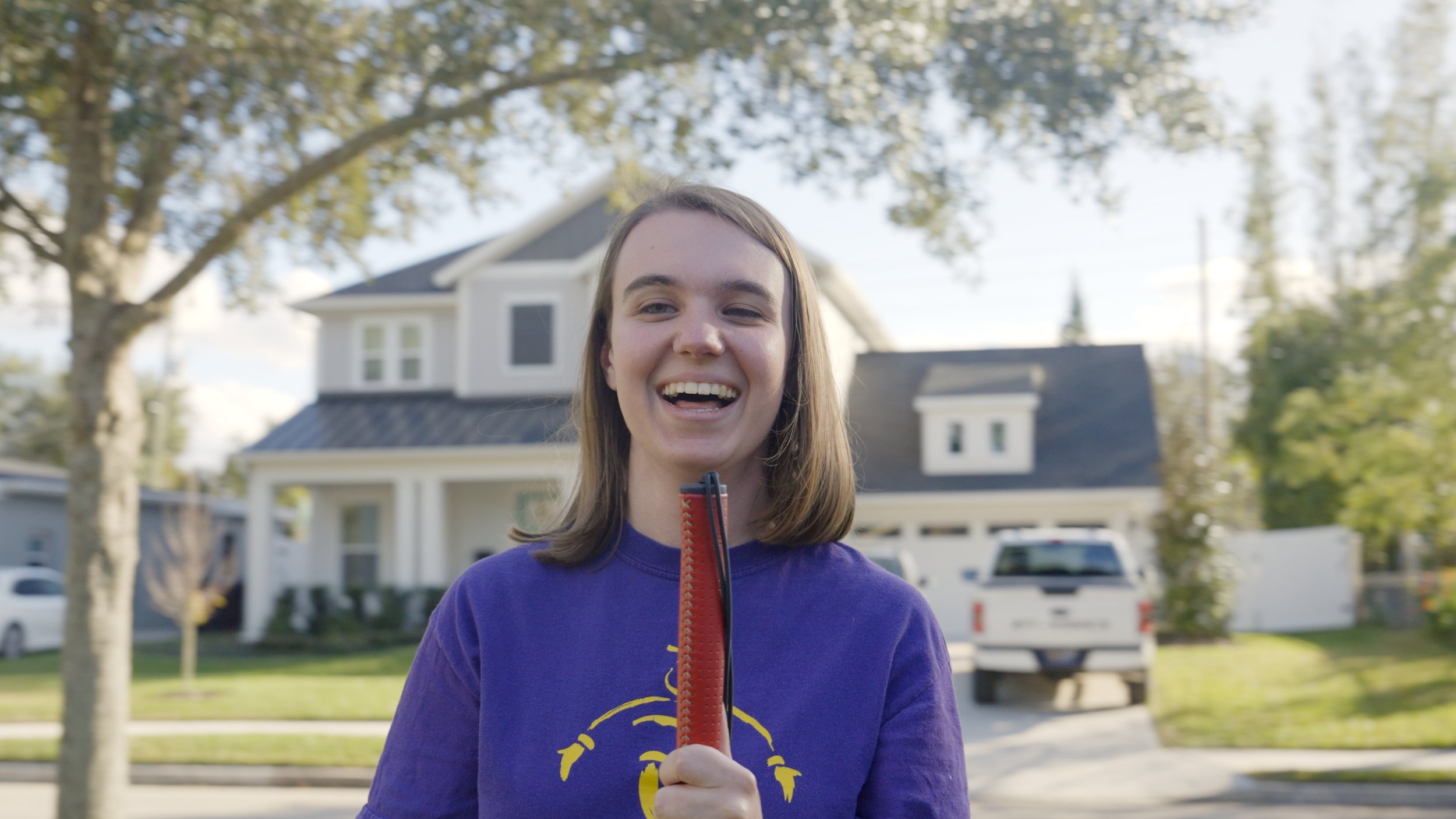
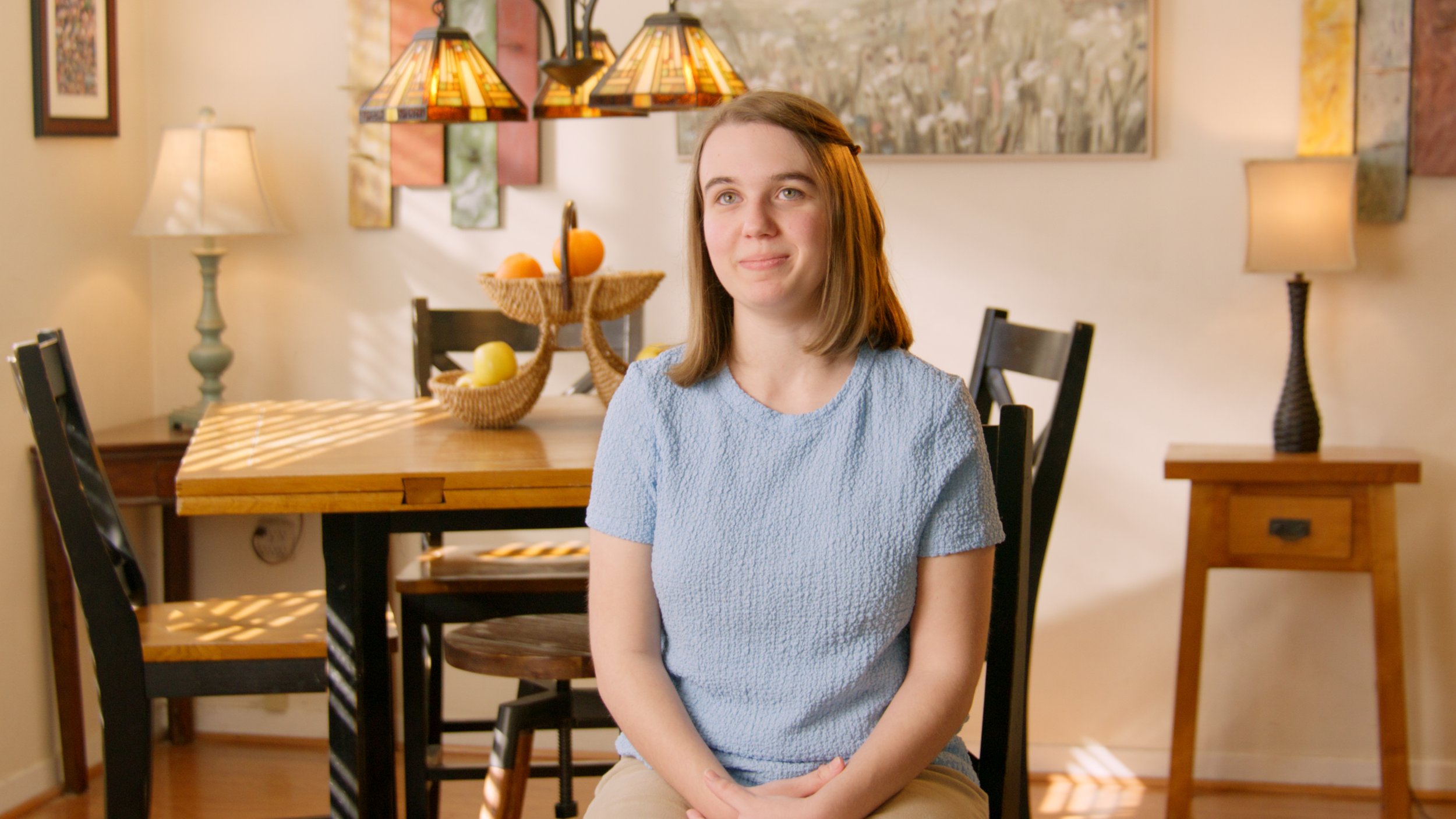
The Scenario: When the lights come up, guests often feel a sense of relief. Guiding that emotional shift, a mission video was produced to share Addison’s inspiring story.
The Solution: We needed a film that didn't just show the organization's work but maintained the visceral connection felt in the dark. We focused on the Peak-End Rule, ensuring the video's emotional "Peak" occurred exactly 10 seconds before the auctioneer took the stage.
The Blueprint: Psychological Triggers & Atmospheric Craft
To bridge the gap between the "Pitch Black" dinner and the "Bright Lights" of the paddle raise, White Raven utilized a specific visual language designed to maximize Biophilia (our innate connection to life) and Trust.
Trigger: Sensory Priming (The Dreamscape Aesthetic): We moved away from "documentary-style" grit in favor of a high-key, ethereal visual palette. By using a shallow depth of field (Anamorphic style) and soft-glow lighting, we created a "Visual Sanctuary." This lowered the audience's cortisol levels after the sensory stress of the dark, opening them up to the "Open-Heart" state required for high-level giving.
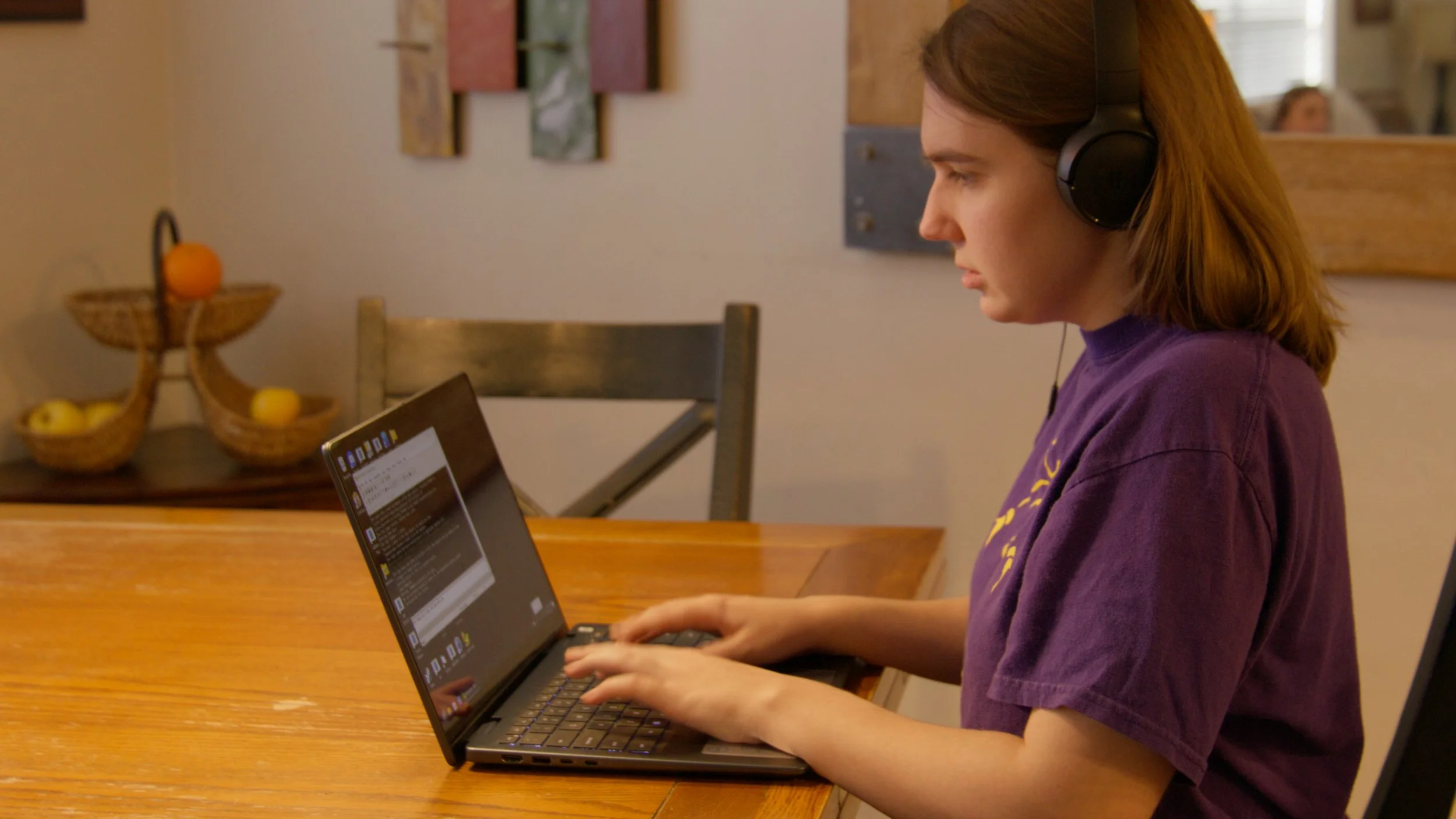
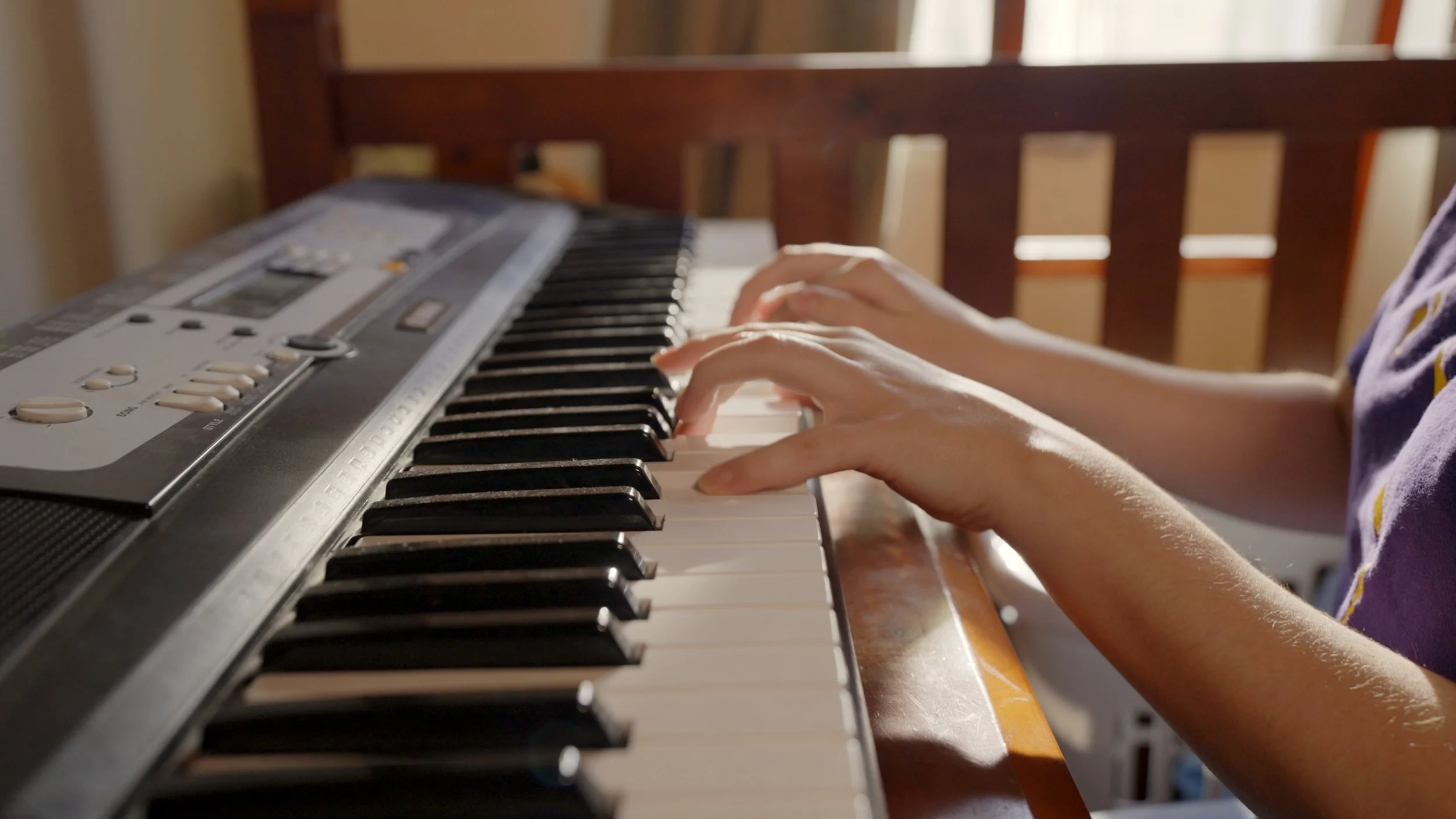
Trigger: Micro-Moment Narrative (Macro Cinematography): Instead of wide shots of the facility, we focused on "The Micro": a hand touching braille, the concentration in a child's eyes, the tactile connection between a teacher and student. This utilizes the Mirror Neuron Effect on a granular level—the audience doesn't just see the service; they feel the tactile reality of the rehabilitation.
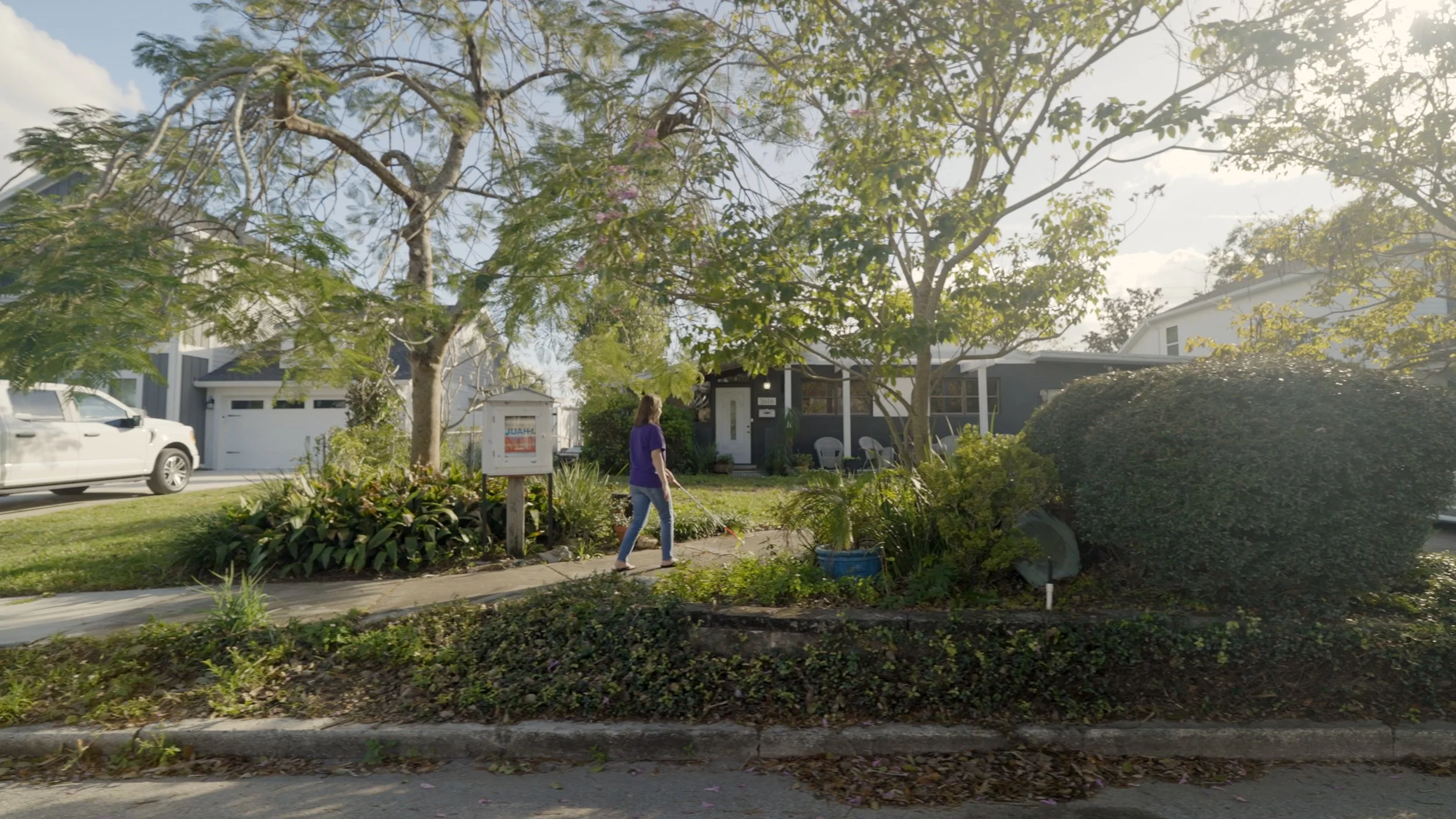
Trigger: The "Aspiration" Crescendo (Goal-Gradient Effect): The film intentionally avoids "Pity." Instead, it focuses on Agency. By showcasing students navigating their world with confidence, we shifted the audience from "Sympathy" (feeling sorry) to "Empowerment" (wanting to fuel that success). This created a natural psychological "on-ramp" for the auctioneer to start the paddle raise at a higher emotional baseline.
The Audio-Visual Handshake: The score was engineered to build in frequency and volume, culminating in a moment of total visual clarity just as the lights in the ballroom reached full brightness. This synchronized "Aha!" moment is what led to the 136% goal achievement.